 Our Use Of Cookies
 IOPC Funds participates in UN seminar on early warning, pollution remediation, and environmental liability
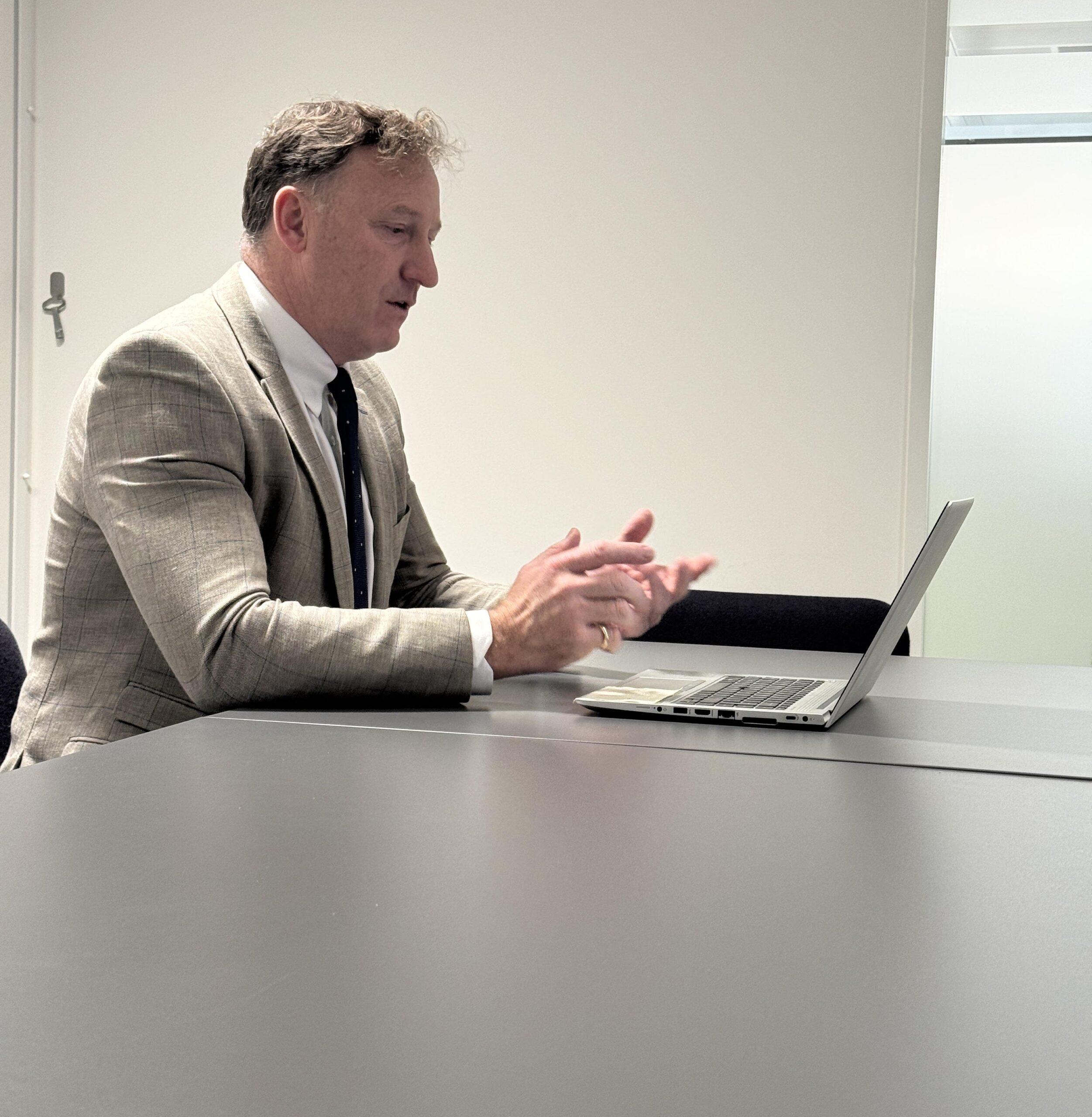
The IOPC Funds contributed to the United Nations Global Seminar on Early Warning, Pollution Remediation and Environmental Liability: Preparedness and Response in Case of Natural Hazard-triggered Technological Disasters (NaTech), which was held online on 30 January 2026.
The seminar, which attracted approximately 1,500 participants, was jointly organised by the United Nations Economic Commission for Europe (UNECE), secretariats of the Industrial Accidents Convention, Water Convention and Aarhus Convention, the United Nations Office for Disaster Risk Reduction (UNDRR), World Meteorological Organization (WMO), European Commission and the Government of Germany, in close cooperation with the UNECE Joint Expert Group on Water and Industrial Accidents.
The aim of the seminar was to raise awareness and promote the development and use of early warning and industrial accident notification systems, as well as related remediation and information-sharing tools, in line with the United Nations Early Warnings for All (EW4All) initiative launched in 2022. The initiative seeks to ensure that everyone on Earth is protected from hazardous weather, water or climate-related events through multi-hazard early warning systems by the end of 2027.
IOPC Funds’ Claims Manager, Mr Mark Homan, joined other international experts in addressing the seminar, where he provided an overview of the role and structure of the Funds, as well as the legal framework underpinning the international liability and compensation regime for ship-source oil pollution. He outlined the claims-handling process and the types of claims that may be submitted in respect of the recovery of costs for environmental damage arising from oil pollution incidents.
Mr Homan also emphasised the role of strict liability under the 1992 Civil liability Convention, the importance of meeting the Funds’ admissibility criteria, maintaining robust records and submitting appropriate supporting documentation.
The outcomes of the seminar will be presented at the meetings of the relevant policymaking and expert communities within UNECE, WMO and UNDRR.